
Induction Heating for Fasteners
Fastener Tip Hardening Machines
Fastener Tip Hardening Machine Features
- Application-Specific Coil Engineering: Coils are designed around your exact fastener geometry for consistent case depth and minimal heat-affected zone spread.
- High-Speed Indexing Compatibility: Systems are built to run in-line with heading and cold-forming equipment at production speed.
- Integrated Quench Stations: Quench delivery is synchronized with heating for repeatable case hardness on every part.
- In-House Design, Build, and Repair: As a single-source manufacturer, Interpower supports your system from concept through coil rebuilds and upgrades.
- Modular, Floor-Space-Friendly Layouts: No pits or foundations required, and systems can be reconfigured as production needs change.
Application Specifications
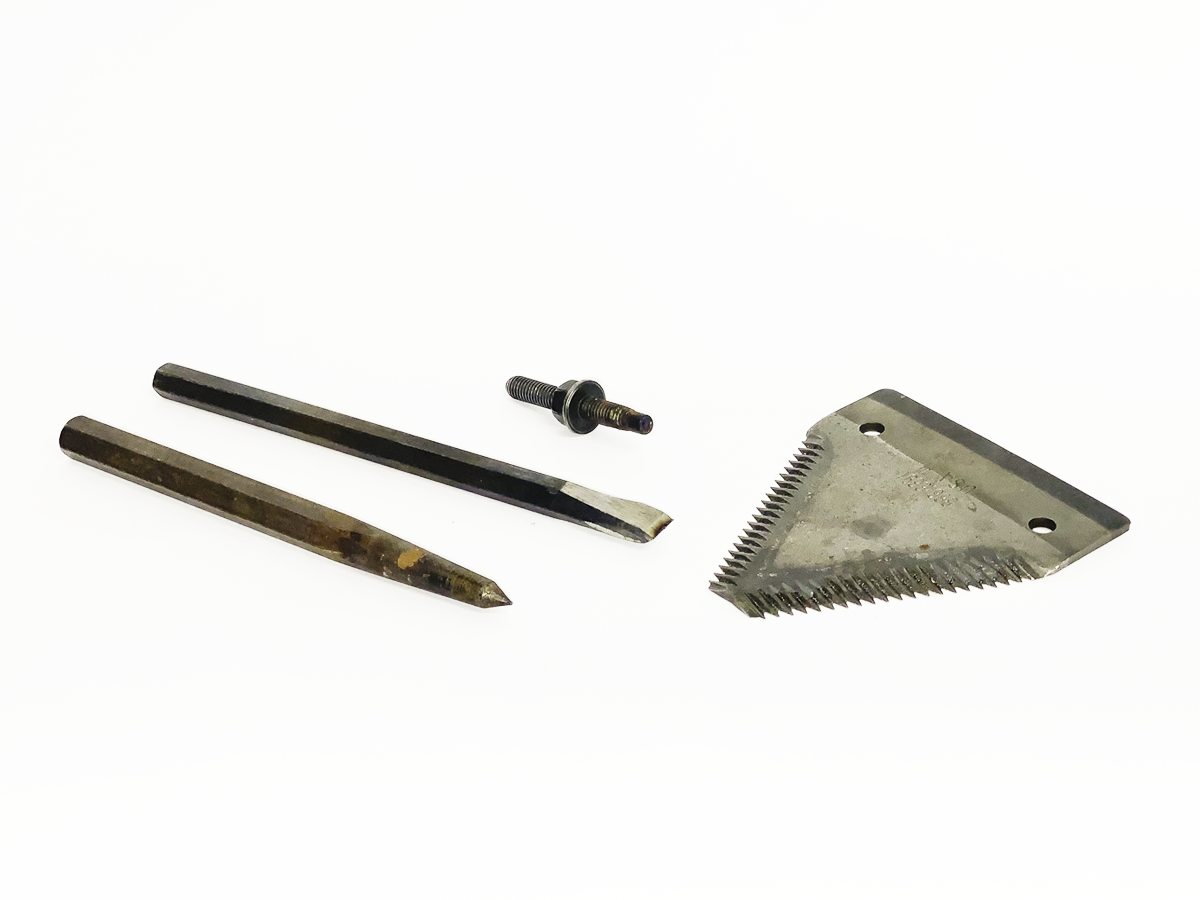
Tip Hardening
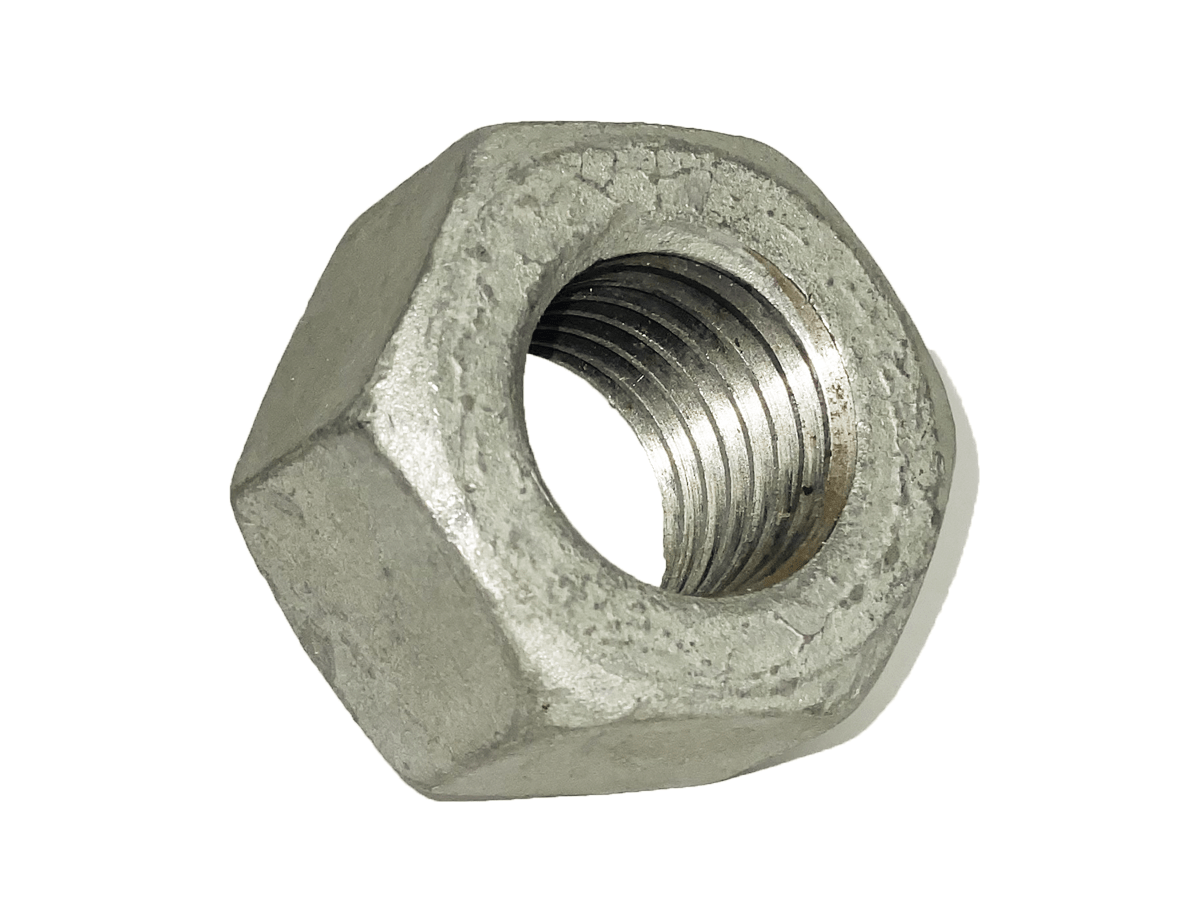
Nut Forming
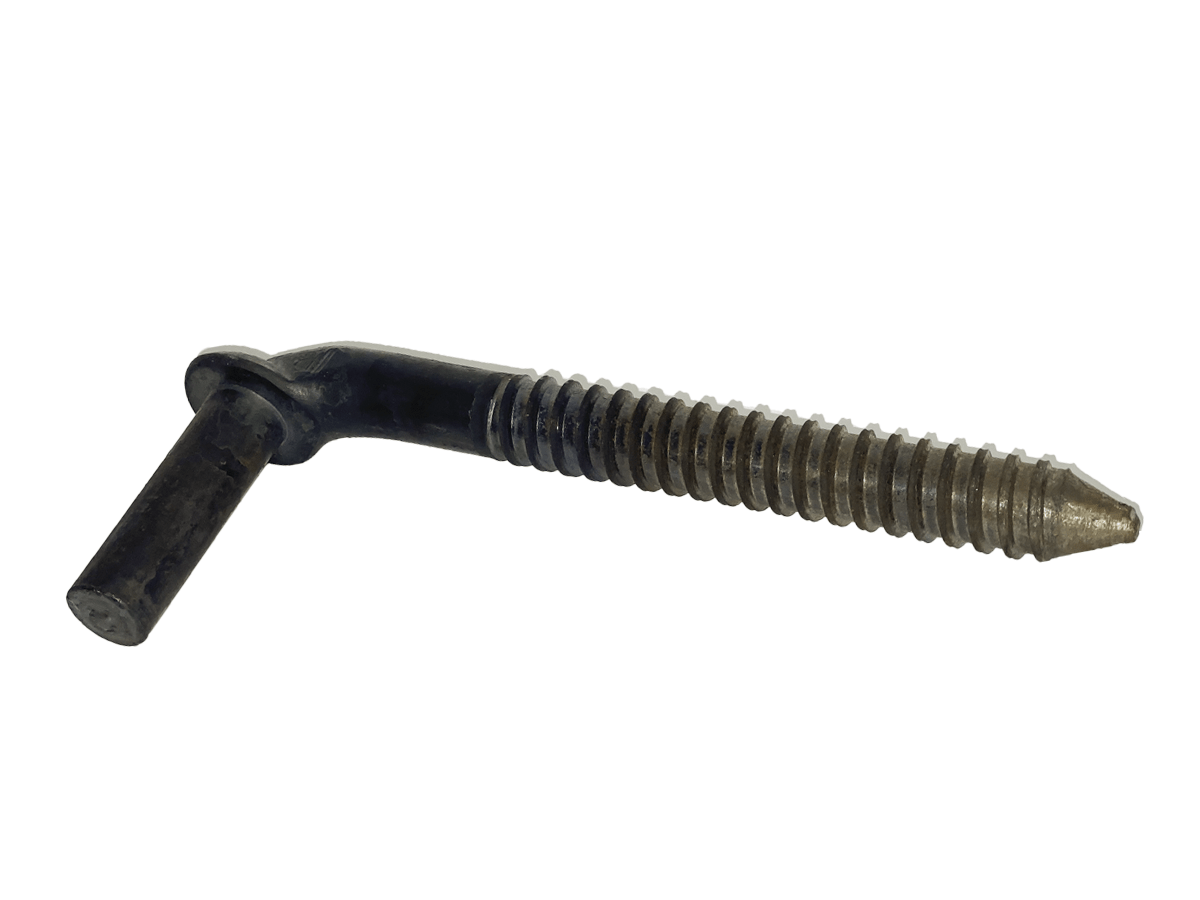
Thread Rolling
How Our Induction Fastener Heating Systems Work
Fasteners We Heat Treat
Interpower’s fastener tip hardening systems are built to handle a wide range of part geometries and production volumes, including:
- Self-drilling screws (Tek screws)
- Self-tapping and thread-forming screws
- Concrete and masonry screws
- Structural bolts and set screws
- Custom fasteners requiring localized point, tip, or thread hardening
Coil and fixture designs are engineered per part number, so diameter changes, point styles (for example, #2, #3, #4/#5 drill points), and material grades (1018/1022 carbon steel, 410 stainless, boron steels) can all be accommodated within a single system.
Benefits of Induction Heating for Fasteners
Frequently Asked Questions
Does Interpower Induction build fastener tip hardening systems tailored to specific applications, or only standard equipment?
Interpower designs, builds, and repairs induction systems in-house, including coils, power supplies, and quench integration, engineered specifically around your fastener geometry, material, and production volume rather than off-the-shelf equipment.
How does induction heating for fasteners differ from furnace hardening?
Furnace-based hardening heats the entire part or batch inside a heated chamber, which is slower, less precise, and can harden, and embrittle, sections of the fastener that need to stay ductile. Induction fastener heating targets only the tip or point with an electromagnetic coil, heating it in seconds with tighter control over case depth and hardness.
What hardness should a self-drilling or self-tapping screw tip reach?
Industry practice generally targets a case hardness around 52 to 58 HRC at the drill point, with the core kept softer, roughly 32 to 40 HRC, to prevent shearing or snapping during installation. Case depth requirements vary by screw diameter, typically 0.004 to 0.009 inches for smaller sizes.
Can an induction fastener tip hardening system be integrated into an existing heading line?
Yes. Interpower’s systems are designed to run in-line with high-speed heading and cold-forming equipment, indexing parts through the coil at production speed rather than requiring a separate offline hardening step.
Why is only the tip hardened instead of the entire fastener?
Hardening the whole fastener increases surface hardness but reduces overall toughness, raising the risk of the fastener snapping or shearing under load. Tip hardening concentrates wear resistance only where the fastener contacts the substrate, while the shank and head retain the ductility needed for reliable installation.