
Induction Brazing
General Information
Metal Joining
Metal Joining Advantages
- Energy Savings
- Clean Operation
- Temperature Control
- Repeatability
- Accurate Process Control
- Cell Type Operation
What is Induction Brazing?
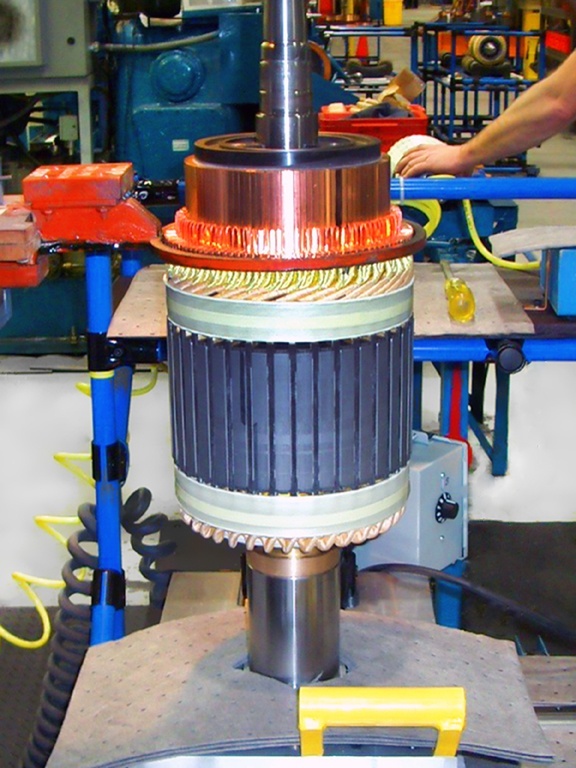
Induction brazing is a joining process that uses controlled induction heating to raise a localized joint area to brazing temperature so a filler alloy can flow and bond metal components. Heat is generated directly within the conductive material at the joint, allowing precise thermal input without heating the entire assembly.
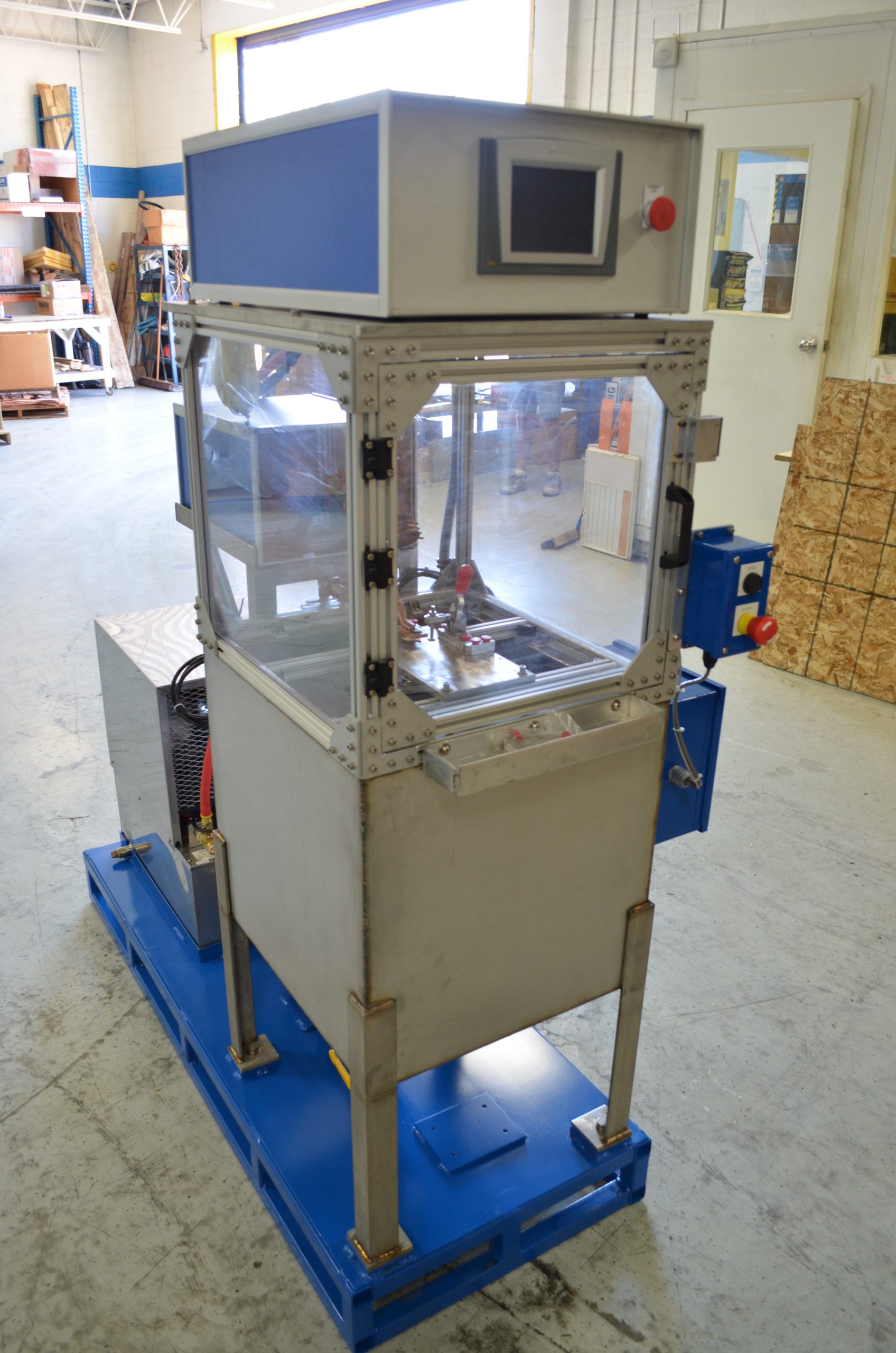
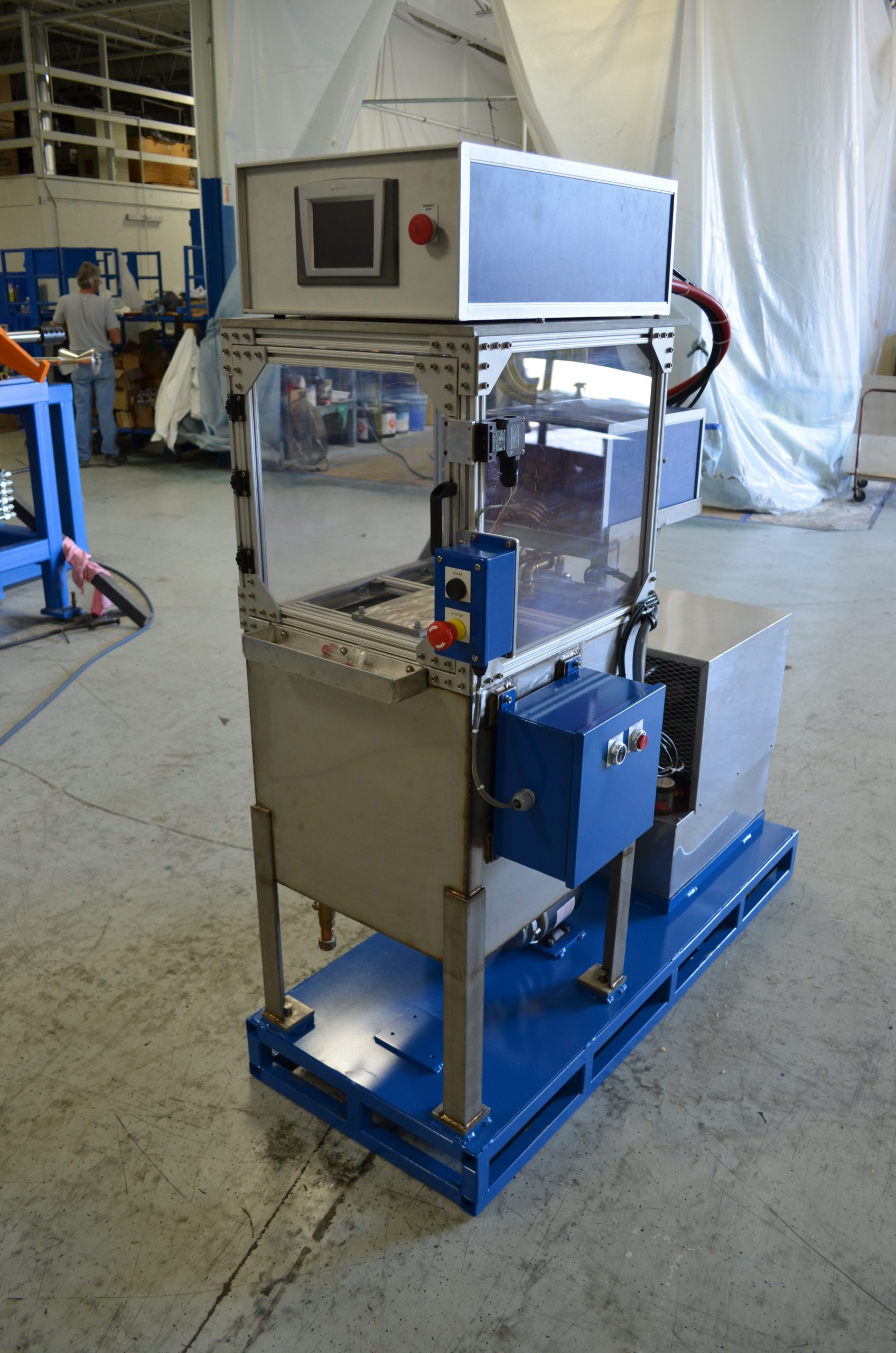
At Interpower Induction, an induction brazing machine is engineered as a complete system designed around the customer’s defined process requirements. System power, operating frequency, coil design, and control logic are developed to match the materials being joined, the joint configuration, and the required production consistency.
By focusing heat where it is needed and controlling how that heat is delivered, Interpower Induction induction brazing equipment supports repeatable brazing cycles and predictable joint formation within established process parameters.
Applications of Induction Brazing
Induction brazing is used in applications where joint quality, consistency, and thermal control are critical to overall product performance. The suitability of the process depends less on industry classification and more on how the joint is designed and how heat must be applied.
For joining processes that rely on controlled heat without the use of brazing alloys, we also design and build induction bonding equipment engineered around specific material and process requirements.
Interpower Induction works with customers to evaluate application-specific factors before designing induction brazing equipment. These factors include part geometry, joint location, material conductivity, and the thermal mass of the components being joined. Each variable influences how energy is delivered to the brazing zone and how the heating cycle is controlled.
Common applications include joining tubing and fittings, attaching wear components and tooling, brazing electrical and conductive assemblies, and producing precision mechanical joints. By engineering each induction brazing machine around these application requirements, we help ensure consistent heating and repeatable brazing results in production environments.
Advantages of Induction Brazing
Induction brazing offers manufacturing advantages that stem from precise control over how heat is generated and applied during the joining process. Because thermal energy is produced directly within the part, heating can be brought to brazing temperature quickly and managed consistently from cycle to cycle.
One key advantage of induction brazing equipment is the ability to control thermal input without relying on broad heat exposure. Localized heating helps limit distortion and reduces unintended heat transfer to surrounding features, which is important in assemblies with tight dimensional requirements.
From a production standpoint, an induction brazing machine supports repeatable operation and predictable cycle timing. System parameters can be adjusted electronically to account for material or joint changes without reworking the physical setup. This level of control allows induction brazing processes to be integrated into manufacturing environments where consistency and throughput are critical.
Frequently Asked Questions
How do I know if induction brazing is the right process for my parts?
Suitability depends on factors such as material conductivity, joint accessibility, required temperature control, and production volume. At Interpower Induction, we review these inputs during the evaluation process to determine whether induction brazing equipment can meet the technical and production requirements of the joint.
What information is needed to specify an induction brazing machine?
System design is based on part and process details rather than standard models. Key inputs include base materials, joint configuration, part size, brazing alloy type, and expected production rates. This information is used to define power requirements, operating frequency, and coil design.
Can one induction brazing system support multiple parts?
In some cases, a single induction brazing machine can be configured to support multiple parts or assemblies, depending on how similar the joints and thermal requirements are. This is evaluated during system design to determine whether parameter changes, coil changes, or dedicated setups are required.
How does part geometry affect induction brazing equipment design?
Part geometry directly influences coil configuration and energy delivery. Joint location, part mass, and accessibility all affect how induction energy is concentrated at the brazing zone. Interpower Induction designs coils and system layouts to match these constraints rather than forcing parts into a fixed configuration.
Why is induction coil design critical in brazing systems?
Induction coil design plays a major role in heating consistency and joint quality. Coil geometry controls how efficiently energy is delivered to the joint. Interpower Induction engineers coils specifically for each system to support controlled heating and repeatable brazing results.